

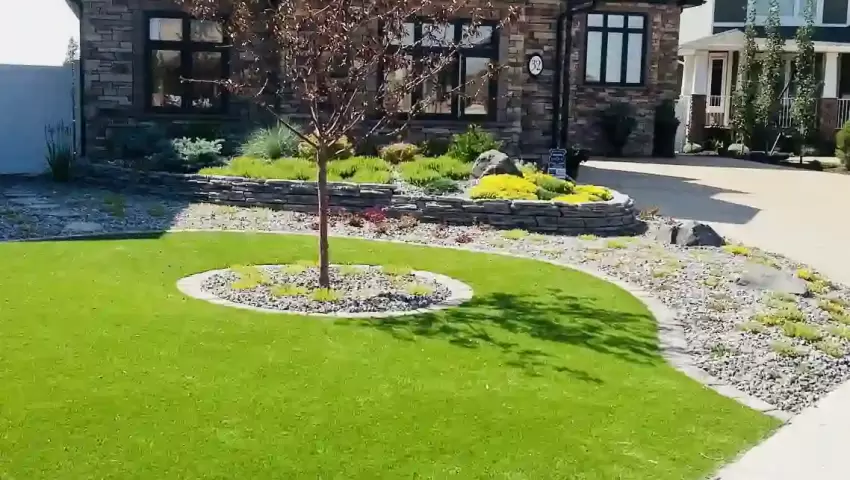
Transforming Your Outdoor Space with Eco-Friendly Landscape Design
Discover how to create a sustainable and beautiful outdoor space using eco-friendly landscape design principles. Learn about the benefits of going green and practical tips to implement eco-conscious choices in your landscape.
“Sustainability is not just about doing less harm, it's about doing more good.”
Introduction:
In today’s world, where environmental sustainability is more important than ever, eco-friendly landscape design offers a way to create beautiful outdoor spaces while minimizing environmental impact. This post will guide you through the essential elements of eco-friendly landscaping and how it can transform your garden.
1. Understanding Eco-Friendly Landscape Design:
Definition and Principles: Discuss the key principles of eco-friendly landscape design, including the use of native plants, water conservation, and organic practices.
Benefits: Highlight the environmental and economic benefits, such as reduced water usage, lower maintenance costs, and supporting local ecosystems.
2. Practical Tips for Eco-Friendly Landscaping:
Choose Native Plants: Explain the advantages of using plants native to your region, including their resilience and lower water needs.
Implement Water-Saving Techniques: Discuss methods such as drip irrigation, rain gardens, and permeable pavers to reduce water consumption.
Use Organic Materials: Encourage the use of organic fertilizers, compost, and mulches to nourish your garden naturally.
3. Case Study:
Share a real-life example or a hypothetical scenario where eco-friendly landscape design transformed a client's outdoor space, detailing the process and results.
Conclusion:
Encourage readers to take the first step towards sustainable landscaping by assessing their current garden and considering eco-friendly alternatives.